
Spaces that support you
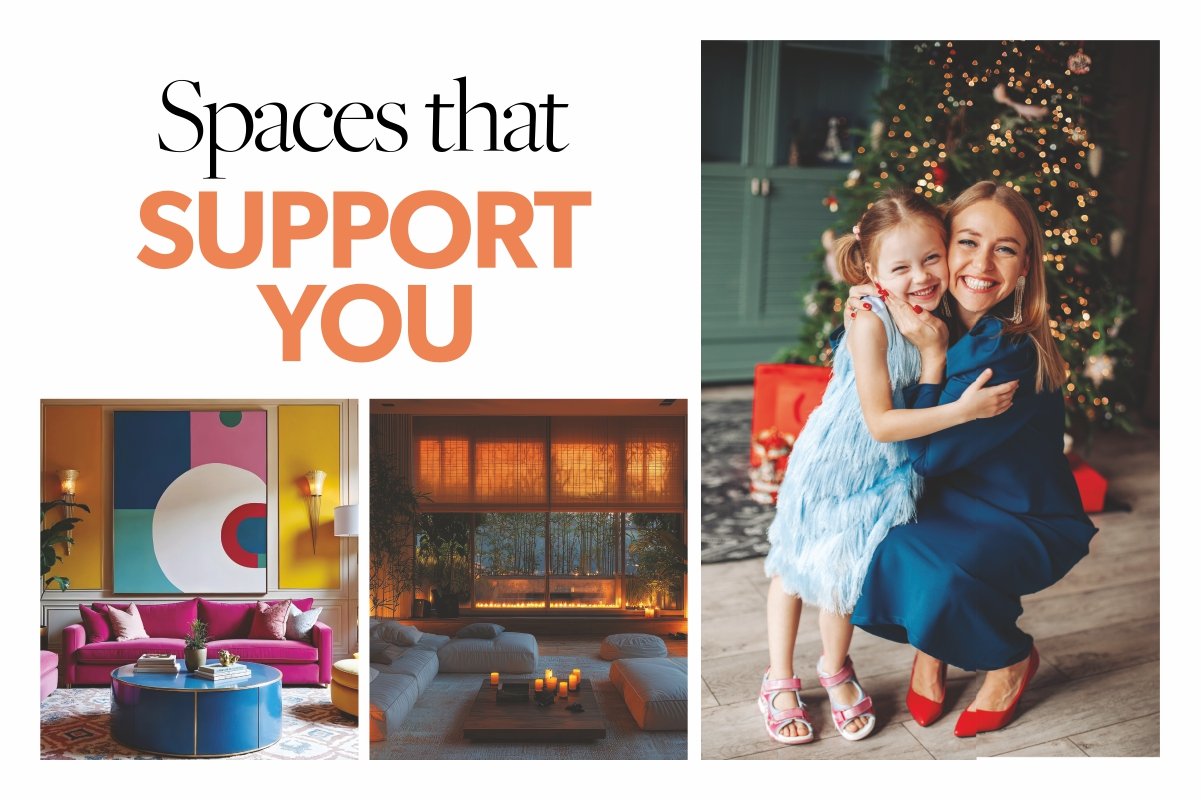
The new year offers a quiet opportunity to reassess how our homes function and how they make us feel.
\n\n\n\nBeyond aesthetics, good design is about creating environments that support focus, rest, and everyday rituals. When approached intentionally, home décor becomes a tool for clarity and balance rather than decoration alone.
\n\n\n\nBegin with spatial harmony. Before adding new elements, consider proportion and scale. Furniture that is too large overwhelms a room, while pieces that are too small disrupt visual balance. Aim for a layout that allows furniture to breathe, with clear pathways and purposeful placement. Negative space is as important as what fills it, offering visual calm and ease of movement.
\n\n\n\nColor layering is another essential element. Instead of relying on a single shade, build a palette through tonal variations. Soft walls paired with slightly deeper upholstery, textured rugs, or contrasting trims create depth without visual noise. This layered approach brings sophistication while maintaining a sense of calm continuity across rooms. Material selection plays a defining role in how a space is experienced. Matte finishes feel understated and grounding, while subtle gloss adds light and refinement. Mixing materials such as lacquered wood, brushed metal, stone, and upholstery creates quiet contrast and visual interest. Consistency in finishes helps maintain cohesion, especially in open-plan homes.
\n\n\n\nLighting deserves equal consideration. A welldesigned room rarely relies on a single light source. Table lamps, floor lamps, wall lighting, and soft overhead fixtures should work together to shape the mood throughout the day. Warm-toned lighting in living areas and bedrooms encourages relaxation, while focused lighting in work zones improves functionality without harshness.
\n\n\n\nDecorative elements should be curated rather than accumulated. Art, books, ceramics, and textiles work best when chosen for both meaning and placement. Group objects thoughtfully, vary heights and forms, and allow certain pieces to anchor a room. This restraint ensures that décor feels intentional and personal rather than cluttered.
\n\n\n\nUltimately, a supportive home is one where every element has a role. When design choices are made with purpose, the result is a space that feels composed, functional, and quietly luxurious, setting the tone for a wellconsidered year ahead.
\n