
“Indoor vs Outdoor Cats”
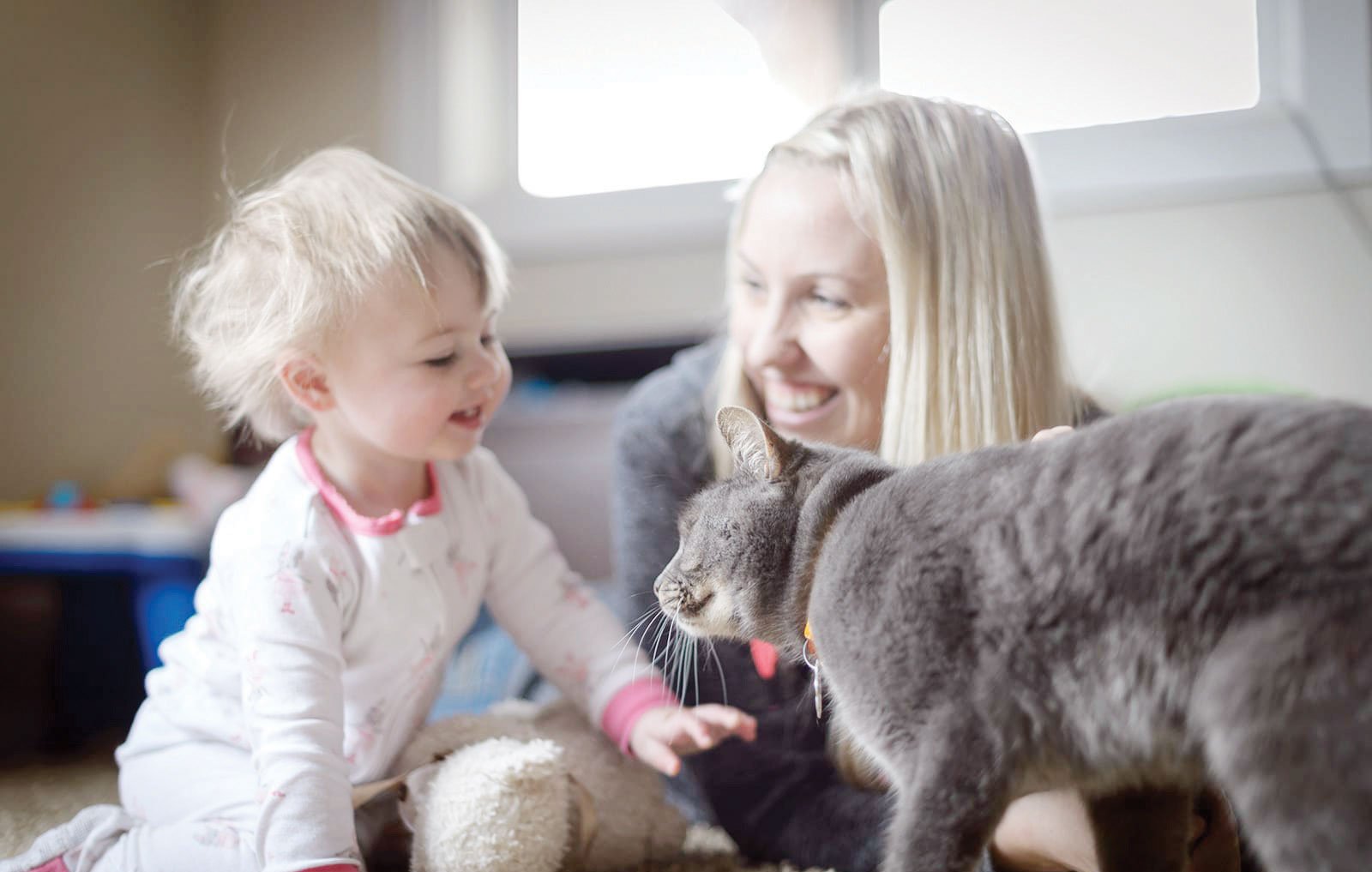
Which cat lives the better life? An indoor cat, who stays safely inside your home and lives an introvert lifestyle; or the outdoor cat, who ventures out into the unknown and has a secret social life? Cat owners love to debate on this arguable question, in which both sides have validating points to convince their theories. In this month’s article, we felt we’d lay out the pros and cons of having an indoor cat vs an outdoor cat. We will cover the struggles that both type of cats may experience and what can be done to assist them with better living standards.
\nIt is known that indoor cats do show a tendency of having longer lifespans than outdoors cats. Statistically, indoor cats are recorded to live a mean average of 17 years of life; whereas, outdoor cats usually range from 2 – 5 years of age. This is because there are more potential dangers available outside than there are inside your home. Outdoors, cats can easily become targets of vehicles, bad weather conditions, animal cruelty, climbing trees, toxins, poisonous plants and predators (loose dogs and wild animals). They can also encounter unfamiliar cats, as well, who can expose them to feline viruses, parasites or lesions from feral cat fights. According to statistics, it is seen that more often an outdoor cat will need to visit a veterinarian frequently than an indoor cat.
\nComparatively, indoor cats also have their own concerning apprehensions as well. Indoor cats that live in multiple-cat households are also exposed to certain feline viruses, such as FIV (Feline Immunodeficiency Virus). Therefore, it is important to vaccinate both your indoor and outdoor cats, in order to prevent them from being affected by such harmful conditions. Multiple-cat households can also cause felines to experience certain stress-related disorders from overcrowding. This is supported by the natural behavior of cats to be classified as solitary, independent animals. If a cat is experiencing a stress-related disorder, it may exhibit signs of aggressiveness, depression, anxiety, avoiding the litter box, self-injury, eating disorders, attention seeking, scratching and even withdrawal. More severe cases may also include diarrhea, vomiting, excessive grooming of the coat that becomes patchy, runny eyes and runny nose. If staying indoors mostly, an immense challenge that these cats can face is lack of environmental enrichment. This means that there is not enough enrichment at home that allows them to mentally grow and stay occupied. The boredom can cause many behavioral changes overtime and discomfort to indoor cats. Ways to enrich your environment at home for your indoor cat are: usage of food puzzles (interactive toys or food balls); hiding food in different places in your home (in corners, behind furniture, on high shelves), which allows for a hunting or game like manner environment for food; provide access to high, climbing places within the household; provide access to windows for opportunity to be exposed to different mental and visual stimulations; company of other cats; allow scratching (scratch posts, cardboard); provide a properly shaped and reasonably sized litter box with appropriate litter; designate certain areas of the house where the cat can easily have access to and be alone, away from other animals within the household. Failure in providing good environmental enrichment can result in the development of psychological problems, as mentioned above.
\nThe outdoors provides very efficient enrichment towards the development of a cat. It is the innate nature of a cat to be inclined to hunt for its food and to play with stimuli in the outdoors. Bugs provide great enrichment outside in being chased and eaten by cats! Their inherent predator behavior allows for them to develop more sharp skills and knowledge of their own mannerisms. Positive enrichment in the outdoors also permits cats to be more adaptable to stressful situations. There are studies in which it is seen that outdoor cats can appear to be braver in situations that indoor cats are also placed in. The constant stimuli experienced outside enables them to become more psychologically balanced. This occurs because they are persistently challenged with obstacles and riddles many times in a day while not being home. Similarly, as we say for children, as they grow, the more experiences they live through; the more knowledge they gain. Indoor cats are also known to experience less exercise than outdoor cats. Therefore, it is important to monitor the nutrition and body condition of indoor cats, in order to avoid obesity.
\nBoth scenarios of a cat being limited to indoors or outdoors has its own advantages and disadvantages. While being outdoors can provide good enrichment and promotion of inherent hunting skills; indoors can provide safety and a long prosperous life span comparatively. It is however important to keep in mind the concerning points of both situations and to consequently take any measures needed in order to prevent future harm to your cat’s physical and mental state.
\n \n\n \n
\nDr. Sifti Bhullar
\n\n
Reader Conversations (0)
No reader comments yet. Be the first to share your thoughts on this story.
Join the Discussion