
Everything you need to know about gallstones
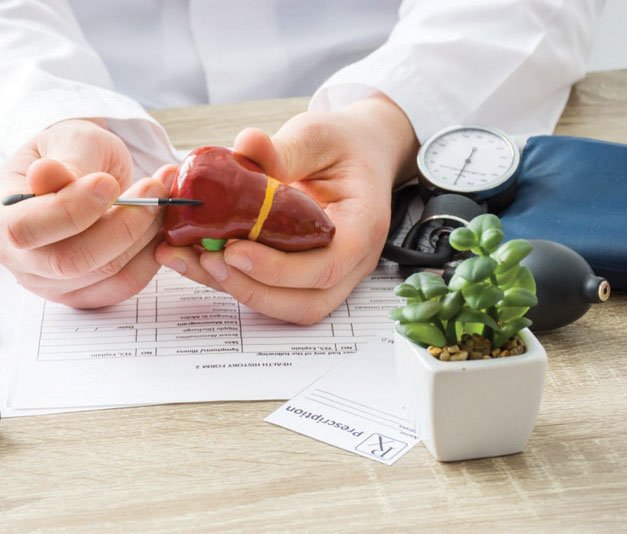
\n\nThe diagnosis of gallstones: \n \n\nSurgery to remove the gallbladder (cholecystectomy): Your doctor may recommend surgery to remove your gallbladder, since gallstones frequently recur. Once your gallbladder is removed, bile flows directly from your liver into your small intestine, rather than being stored in your gallbladder. You don’t need your gallbladder to live, and gallbladder removal doesn’t affect your ability to digest food, but it can cause diarrhea, which is usually temporary.\n\n Medications to dissolve gallstones: Medications you take by mouth may help dissolve gallstones. But it may take months or years of treatment to dissolve your gallstones in this way, and gallstones will likely form again if treatment is stopped. Sometimes medications don’t work. Medications for gallstones aren’t commonly used and are reserved for people who can’t undergo surgery.\n\n
\n- \n
- Endoscopic retrograde cholangiopancreatography (ERCP) \n
- Open pop-up dialog box \n
- \n
- Laparoscopic cholecystectomy \n
- Open pop-up dialog box \n
\n\nSurgery to remove the gallbladder (cholecystectomy): Your doctor may recommend surgery to remove your gallbladder, since gallstones frequently recur. Once your gallbladder is removed, bile flows directly from your liver into your small intestine, rather than being stored in your gallbladder. You don’t need your gallbladder to live, and gallbladder removal doesn’t affect your ability to digest food, but it can cause diarrhea, which is usually temporary.\n\n Medications to dissolve gallstones: Medications you take by mouth may help dissolve gallstones. But it may take months or years of treatment to dissolve your gallstones in this way, and gallstones will likely form again if treatment is stopped. Sometimes medications don’t work. Medications for gallstones aren’t commonly used and are reserved for people who can’t undergo surgery.\n\n\n\n \n
\n
\nDr. Pargat Singh Bhurji\nMD,FRCP ( C ) Consultant Pediatrician Surrery BC
\n\n
Reader Conversations (0)
No reader comments yet. Be the first to share your thoughts on this story.
Join the Discussion