
3 lifestyle tips for balancing Vata dosha
In Ayurveda, the Vata dosha is a fundamental energy composed of air and space elements, governing movement, circulation, and communication within the body. While a balanced Vata brings creativity, vitality, and mental clarity, an imbalance can lead to dryness, fatigue, and anxiety. Understanding and managing Vata through nurturing routines, diet, and lifestyle choices is essential for maintaining harmony in the body and mind.
\n\n\n\nKey Practices to Balance Vata Dosha
\n\n\n\n1. Incorporate Almonds into Your Diet
\n\n\n\nAlmonds, or Vatada in Ayurvedic texts, are highly beneficial for balancing Vata. They are sweet (madhura) and unctuous (snigdha), making them effective in countering Vata's dryness and instability.
\n\n\n\n- \n
- Benefits of Almonds for Vata:\n
- \n
- Nourish all seven dhatus (body tissues), especially Shukra dhatu (reproductive tissue). \n\n\n\n
- Lubricate the skin and support microcirculatory channels. \n\n\n\n
- Enhance digestion and provide grounding energy. \n
\n
To further balance Vata, focus on consuming warm, moist, and grounding foods, incorporating the six Ayurvedic tastes (sweet, sour, salty, pungent, bitter, and astringent) for overall balance.
\n\n\n\n\n\n\n\n
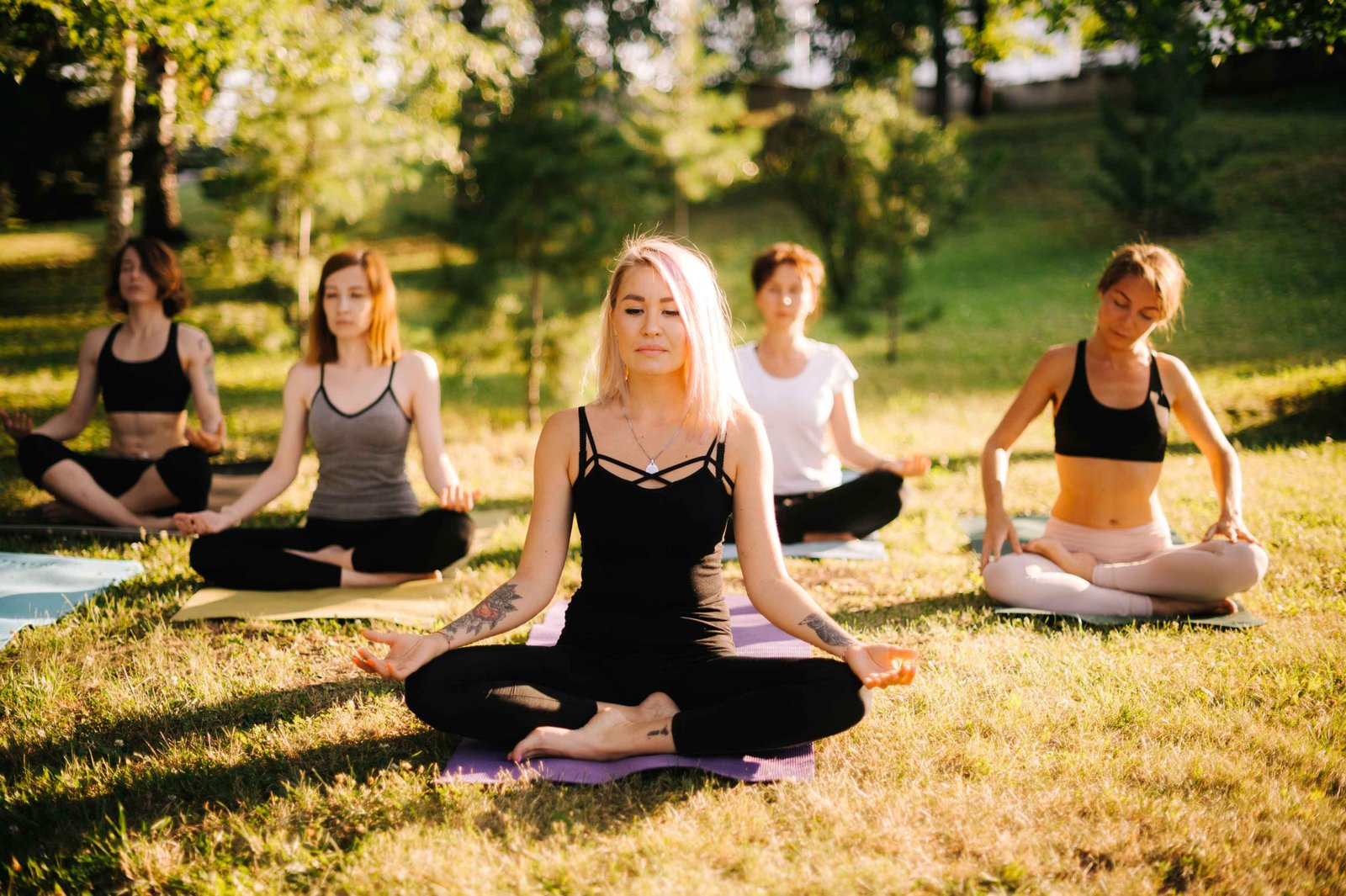
2. Practice Vata-Balancing Yoga
\n\n\n\nYoga is a powerful tool for calming an overactive Vata dosha. The best asanas for Vata are those that are grounding and promote relaxation.
\n\n\n\n- \n
- Recommended Poses:\n
- \n
- Uttanasana (Standing Forward Bend): Calms the mind and reduces stress. \n\n\n\n
- Paschimottanasana (Seated Forward Bend): Stretches the spine and improves digestion. \n\n\n\n
- Balasana (Child’s Pose): Encourages grounding and relaxation. \n\n\n\n
- Supta Virasana (Reclined Hero Pose): Soothes the nervous system and stretches the thighs. \n\n\n\n
- Dhanurasana (Bow Pose) & Ustrasana (Camel Pose): Open the chest and improve circulation. \n
\n
Regular practice of these poses, combined with slow, rhythmic breathing, can alleviate symptoms like anxiety, body aches, and digestive issues commonly associated with Vata imbalance.
\n\n\n\n\n\n\n\n
3. Add Ashwagandha to Your Routine
\n\n\n\nAshwagandha is a revered herb in Ayurveda for its adaptogenic and Vata-calming properties.
\n\n\n\n- \n
- Benefits of Ashwagandha for Vata:\n
- \n
- Reduces stress, anxiety, and irritability. \n\n\n\n
- Supports restful sleep when taken before bedtime. \n\n\n\n
- Strengthens the reproductive system and builds overall vitality. \n
\n
How to Use:
Mix ashwagandha powder with warm milk and honey for a soothing evening drink. Always consult an Ayurvedic practitioner for the right dosage tailored to your constitution.
\n\n\n\n
4. Cultivate a Vata-Pacifying Lifestyle
\n\n\n\n- \n
- Regular Routine: Stick to consistent mealtimes and sleep schedules to counteract Vata’s irregularity. \n\n\n\n
- Warmth and Moisture: Choose warm baths, nourishing oils like sesame oil for self-massage (abhyanga), and humid environments. \n\n\n\n
- Mindful Practices: Incorporate meditation or pranayama to calm the mind and stabilize emotions. \n
